

Here are some key points about basalt step risers:
**1. Material Durability:** Basalt is a dense and hard volcanic rock that is well-known for its durability. Using basalt for step risers ensures that they can withstand foot traffic, weather conditions, and other environmental factors.
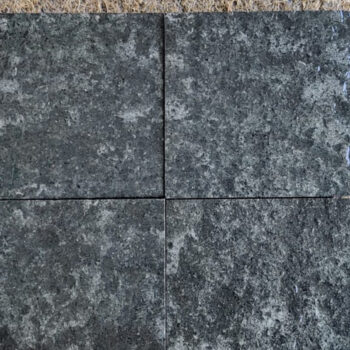
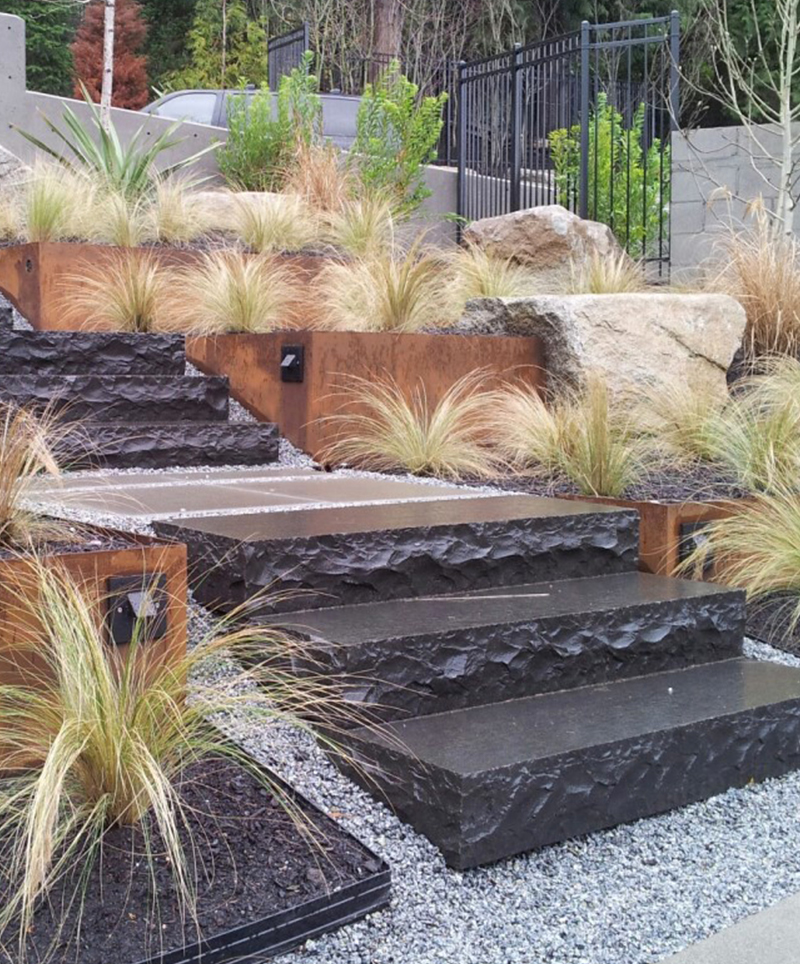
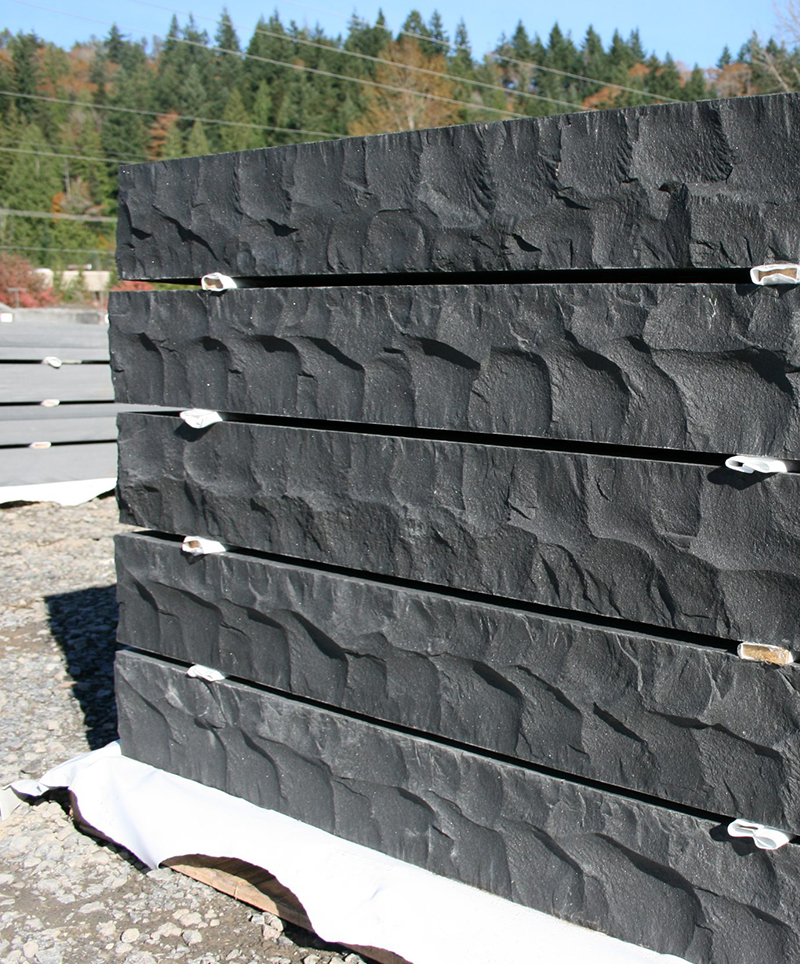
**2. Aesthetic Appeal:** Basalt’s natural dark gray to black color and textured surface can create a sophisticated and visually appealing look for staircases. It can be a striking contrast against other materials and surroundings.
**3. Slip Resistance:** Basalt’s textured surface can provide some level of slip resistance, making it safer for individuals using the stairs, particularly when the steps are wet.
**4. Customization:** Basalt step risers can be custom-cut to fit the dimensions of the staircase. This ensures a uniform and polished appearance while accommodating the specific design of the stairs.
**5. Compatibility:** Basalt step risers can complement a variety of architectural styles, from contemporary to more traditional designs.
**6. Maintenance:** While basalt is relatively low-maintenance, regular cleaning and sealing may be required to preserve its appearance over time.
**7. Installation:** Proper installation is crucial for the stability and safety of the staircase. Working with experienced stone masons or contractors familiar with natural stone materials is recommended.
When incorporating basalt step risers into a staircase design, it’s important to consider the overall design of the space, the intended use of the stairs, and the coordination with other materials and elements. Professionals specializing in architectural design and construction can provide guidance on integrating basalt step risers effectively into your project.