

Here are some key points to consider about basalt pool capping:
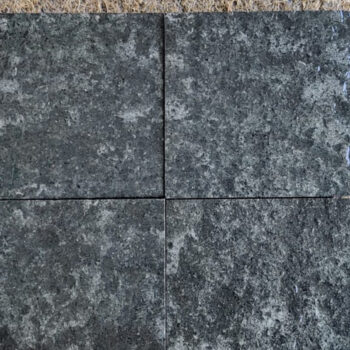
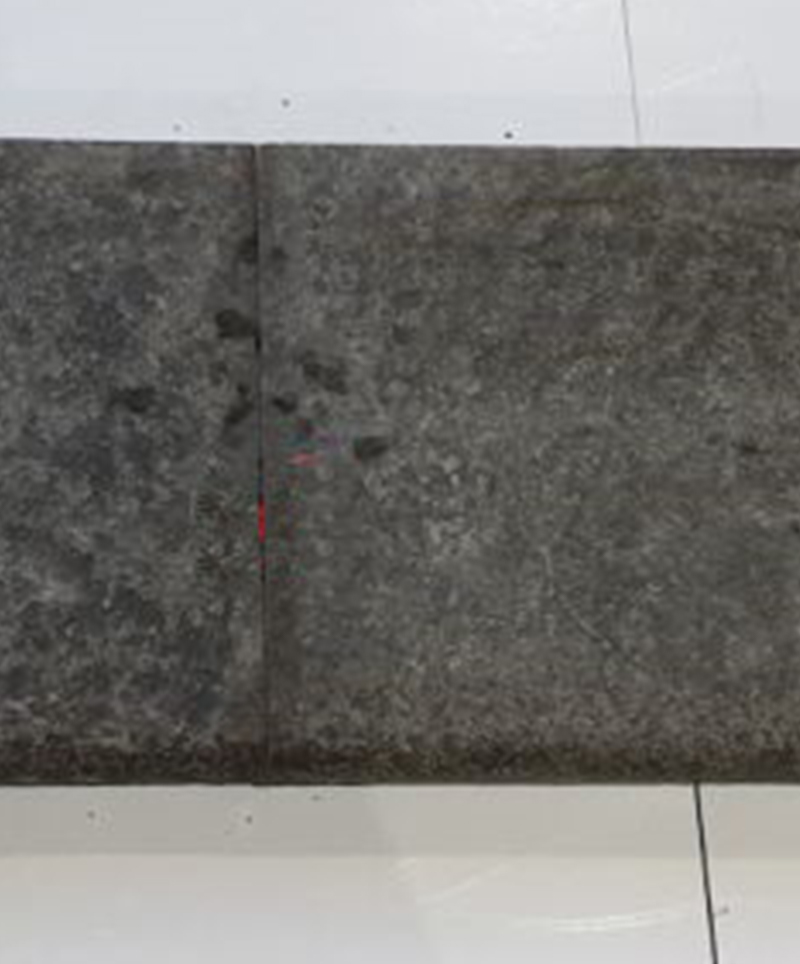
**1. Aesthetic Appeal:** Basalt is known for its dark gray to black color and natural texture, which can create a visually striking contrast against the water and the surrounding pool area. It adds a sophisticated and modern look to the pool.
**2. Durability:** Basalt is a dense and durable natural stone, which makes it well-suited for outdoor applications like pool capping. It can withstand exposure to water, sunlight, and varying weather conditions, ensuring a long-lasting and low-maintenance pool edge.
**3. Heat Resistance:** Basalt has good heat resistance properties, which can be beneficial for pool capping. It can help dissipate heat from the sun and reduce the risk of the pool’s edges becoming too hot to touch.
**4. Slip Resistance:** The natural texture of basalt can provide some degree of slip resistance, improving safety around the pool area by reducing the chances of slipping when wet.
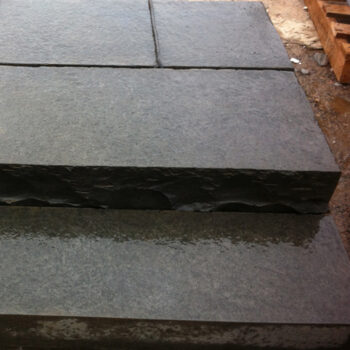
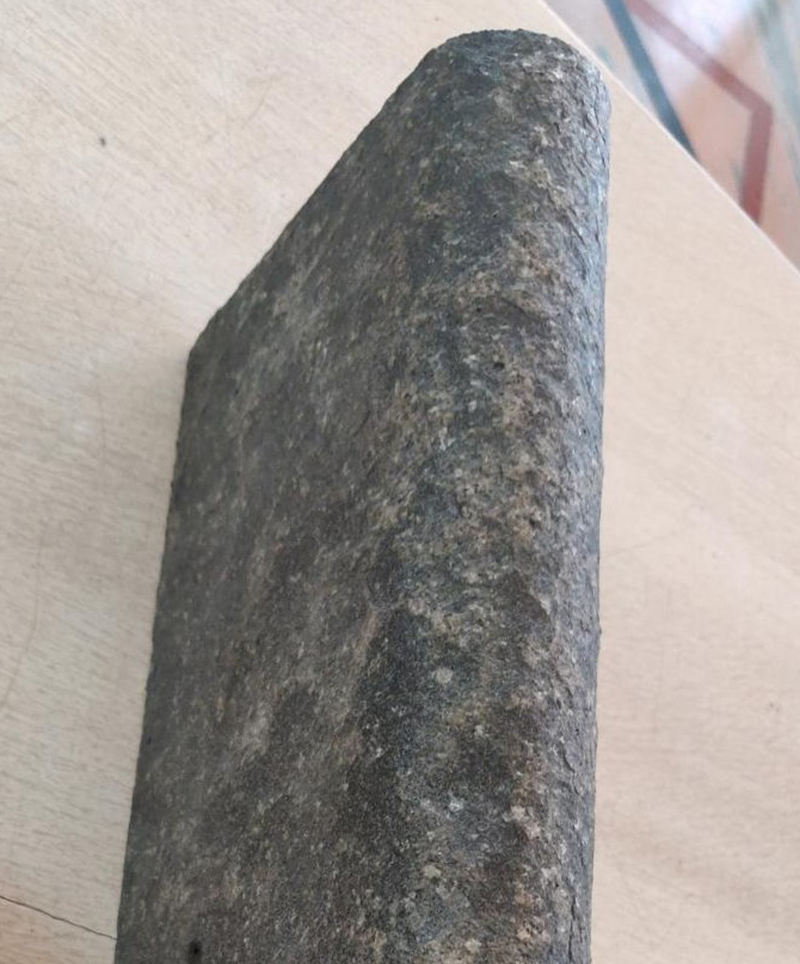
**5. Customization:** Basalt pool capping can be customized to fit the specific dimensions and design of the pool. The stones can be cut and shaped to create a uniform and polished edge.
**6. Installation:** Proper installation is crucial to ensure the durability and stability of the pool capping. It’s recommended to work with professionals who have experience in stone masonry and pool construction.
**7. Maintenance:** Basalt is relatively low-maintenance, but like any natural material, it may require occasional cleaning and sealing to preserve its appearance and durability.
When considering basalt pool capping, it’s important to consult with pool designers, architects, or contractors who have experience in working with natural stone materials. They can guide you through the selection process, discuss design options, and ensure that the chosen materials are suitable for your specific pool project.